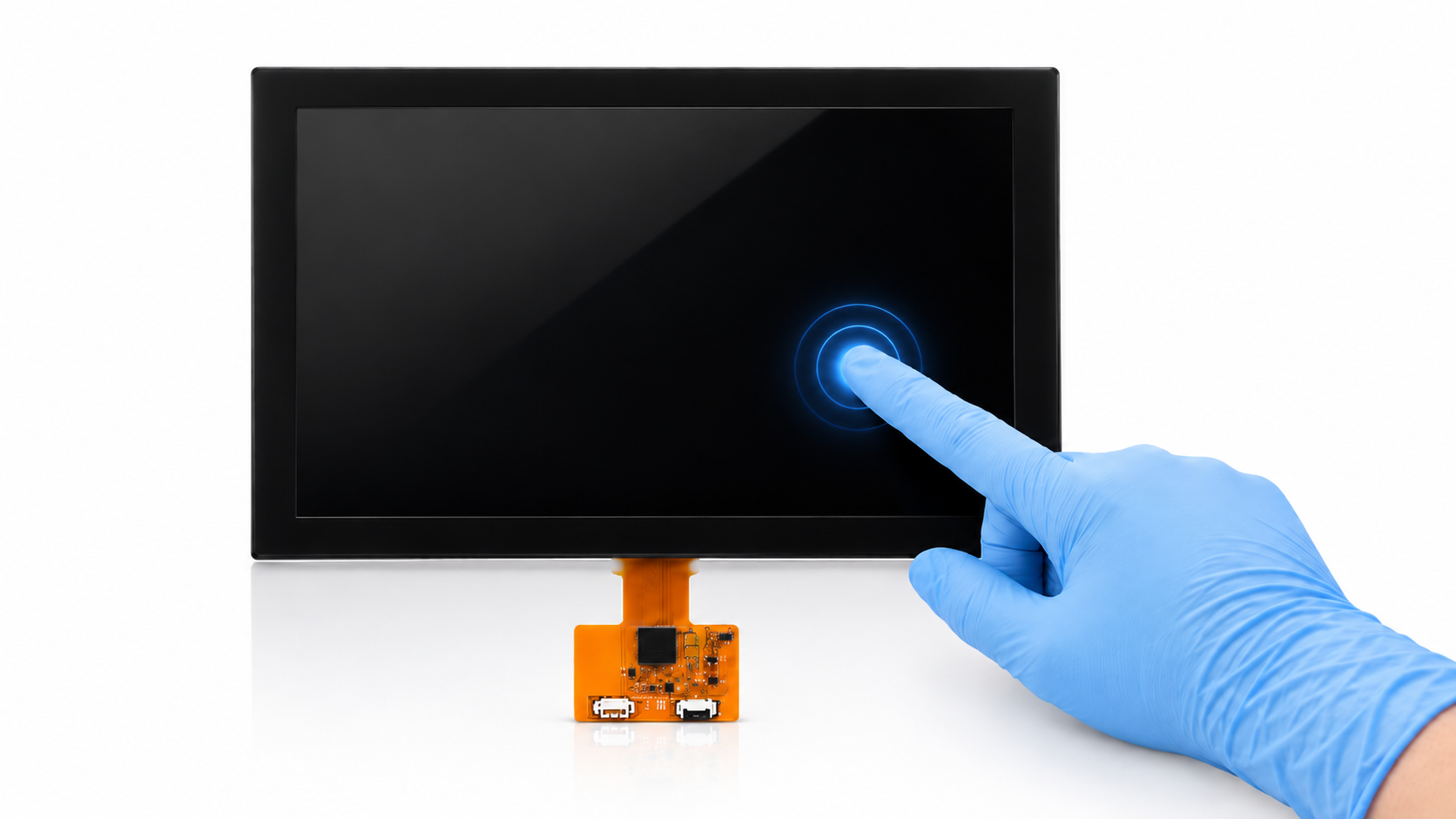
10.1″ Display
PV101057W0245Z1-CO
1920 × 1200 px · 1250 nits
−20 to +70 °C


Start selecting Industrial Touch LCD Modules with the intended installation, user interface and host electronics in view. Common applications include washdown controls, medical interfaces and self-service terminals. The decision usually comes down to cover glass, touch tuning and bonding. Test gloves and moisture using the production lens and enclosure ground. Agree on touch accuracy and false activation limits. Use listed models as starting points and compare each model drawing with the enclosure and board layout. If a catalog configuration falls outside the available space or environmental requirements, send the project drawing and usage conditions for an OEM feasibility review. Discuss sample configuration and validation before committing to production tooling.
PV101057W0245Z1-CO
1920 × 1200 px · 1250 nits
−20 to +70 °C
PV09705W0230E-CO2
1024 × 768 px · 350 nits
−20 to +70 °C

PV08011Y0150L-CT
800 × 600 px · 850 nits
−20 to +70 °C

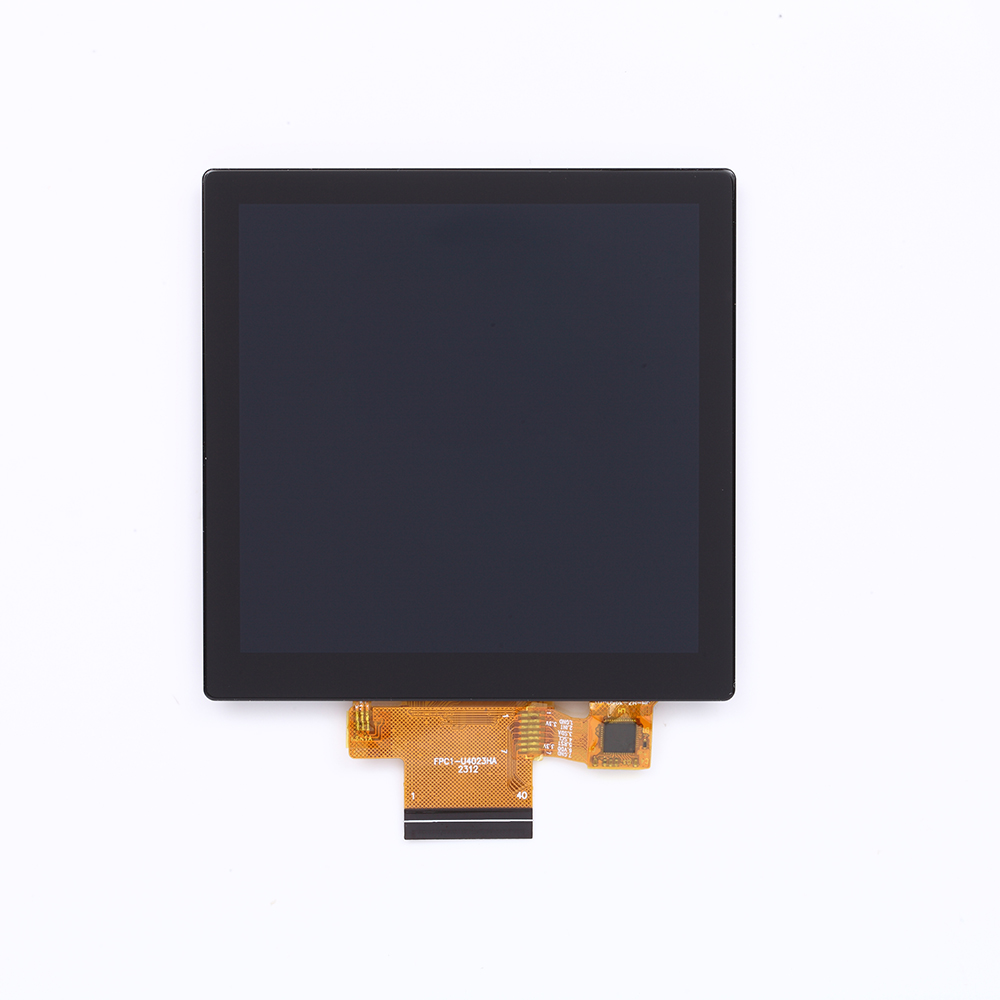
PV04019H0140T-CO
480 × 480 px · 400 nits
−20 to +70 °C
Check cover glass, touch tuning and bonding during early integration. Use the expected mounting position and actual viewing distance when documenting acceptance criteria.
Prototype the user interface with the expected content and controls. Check readability and access for maintenance with the display fitted to the equipment.
Confirm fit and electrical compatibility with the production harness. Include assembly tolerance and component replacement in the prototype review.
Send the aperture and outline drawing, target resolution, host interface, expected volume and deployment conditions. Include acceptance limits for cover glass, touch tuning and bonding if you already have them.
Depending on the model, the engineering review can cover brightness, connectors, cover glass, touch integration and mechanics. Share the constraints and intended order volume so the team can assess feasibility.
Test the sample in the target enclosure with production-equivalent electronics. Document fit, startup, image quality and thermal behavior using the same operating conditions expected in service.
Browse display engineering guides or request an OEM design review.