
Bar-Type TFT Displays
Discuss your requirements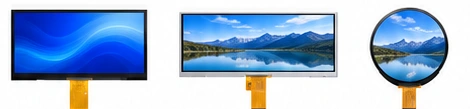
Start selecting Bar-Type TFT Displays with the intended installation, user interface and host electronics in view. Common applications include rack status strips, appliance fascias and workstation indicators. The decision usually comes down to aspect ratio, pixel mapping and edge uniformity. Draw the viewing aperture and confirm text fits at installed distance. Measure brightness along the full strip. Use listed models as starting points and compare each model drawing with the enclosure and board layout. If a catalog configuration falls outside the available space or environmental requirements, send the project drawing and usage conditions for an OEM feasibility review. Discuss sample configuration and validation before committing to production tooling.
Bar-Type TFT Displays Catalog
No products are listed online in this category yet. Discuss your requirements.
Technical Selection for Bar-Type TFT Displays
- Draw the viewing aperture and confirm text fits at installed distance. Measure brightness along the full strip.
- Review the outline, visible opening, connector location and cable bend radius in the CAD assembly. Confirm the host output, power sequencing and available current against the model datasheet before ordering engineering samples.
- Record the viewing angle, ambient lighting and expected operating temperatures. Evaluate sample readability, power consumption and any touch requirements with the final enclosure, lens and production-equivalent firmware.
Applications for Bar-Type TFT Displays
rack status strips
Check aspect ratio, pixel mapping and edge uniformity during early integration. Use the expected mounting position and actual viewing distance when documenting acceptance criteria.
appliance fascias
Prototype the user interface with the expected content and controls. Check readability and access for maintenance with the display fitted to the equipment.
workstation indicators
Confirm fit and electrical compatibility with the production harness. Include assembly tolerance and component replacement in the prototype review.
OEM Design and Sample Questions
What should an RFQ for Bar-Type TFT Displays include?
Send the aperture and outline drawing, target resolution, host interface, expected volume and deployment conditions. Include acceptance limits for aspect ratio, pixel mapping and edge uniformity if you already have them.
Which specifications can be customized?
Depending on the model, the engineering review can cover brightness, connectors, cover glass, touch integration and mechanics. Share the constraints and intended order volume so the team can assess feasibility.
How should we qualify an engineering sample?
Test the sample in the target enclosure with production-equivalent electronics. Document fit, startup, image quality and thermal behavior using the same operating conditions expected in service.
Browse display engineering guides or request an OEM design review.